(and Why Kids Are Part of It)
There’s a version of farm life people imagine — quiet mornings, a cup of coffee, animals politely waiting to be fed.
And then there’s the real version. The farm-feral version.
Daily farm chores start early, happen in all weather, and don’t care if you’re tired, busy, or already late. Animals need care every single day, and on our farm, that responsibility is just part of life — for adults and kids.
Farm-feral is what caring for livestock actually looks like around here.
Farm Chores Happen Every Day (No Days Off)
Animals don’t take weekends off. Neither do farm chores.
Every single day includes some version of:
- Feeding livestock
- Checking water sources
- Making sure fences are intact
- Walking the property
- Cleaning stalls, pens, or shelters
- Watching for injuries, illness, or escape attempts
Some days it’s quick. Some days it’s chaos. But it always happens.
Want a weekend away or a vacation? Better make sure you are friends with another farmer close by and you’re willing to trade chores. There is no cattle daycare, and if you have neighbors, they probably aren’t interested.
Caring for livestock isn’t a hobby — it’s a commitment. You really should meet our animals.
Kids Are Part of Farm Life, Not Separate From It
Our kids don’t “help” with chores.
They’re just… there… doing.
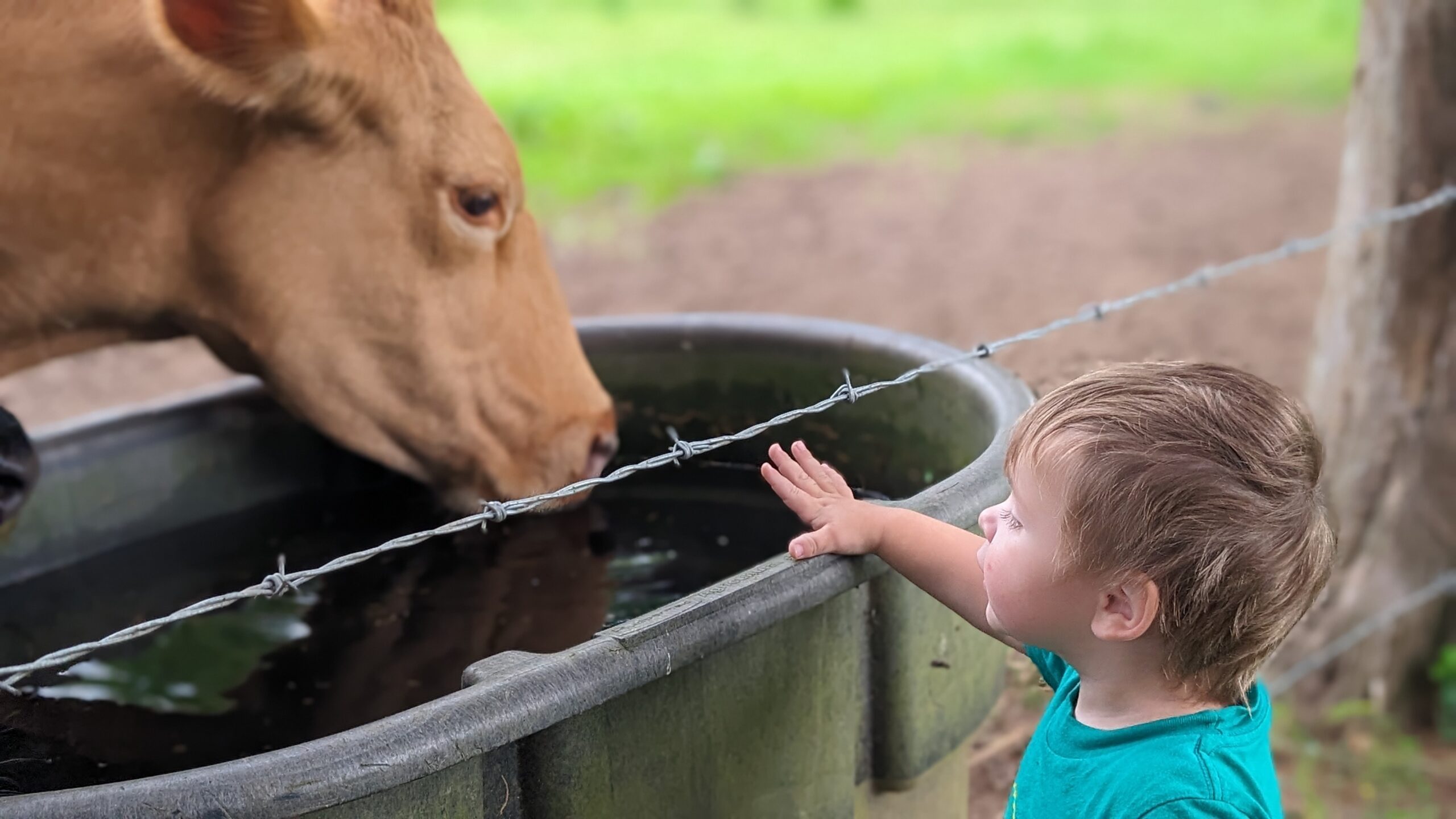
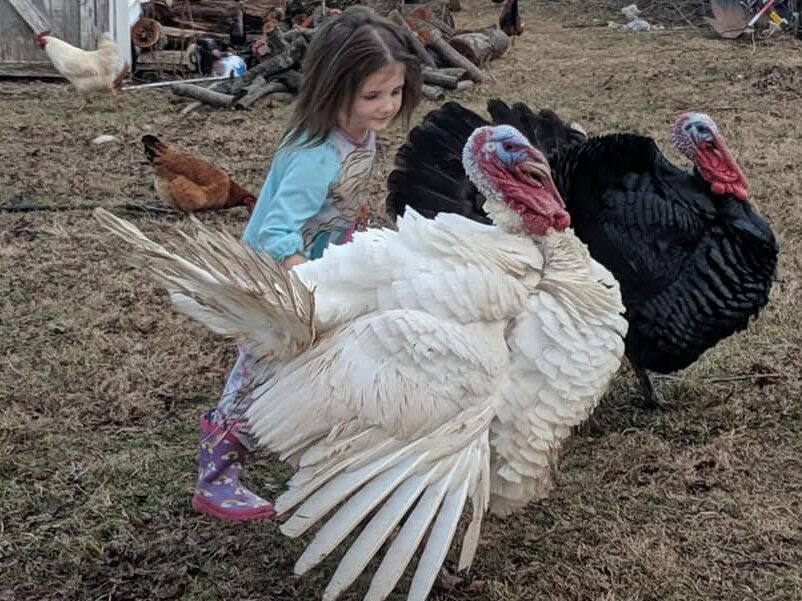
They hold gates, carry feed scoops, follow animals, collect eggs, haul water buckets, and learn by doing — sometimes barefoot, sometimes muddy, sometimes half-dressed and wildly confident. Toddlers tend to believe clothing and shoes are optional, and if you live on a farm, they probably are.
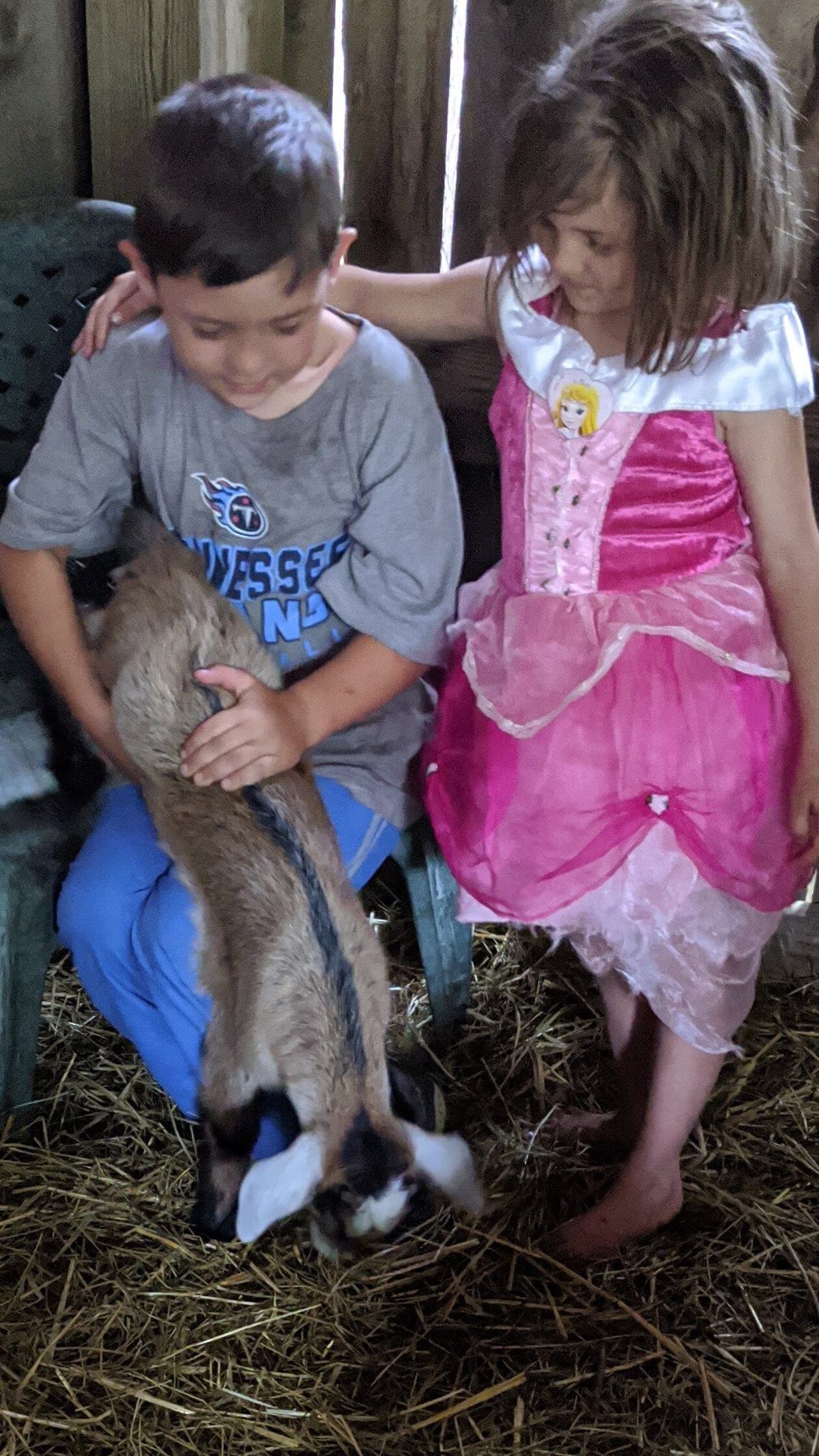
Farm-feral rule number 1: Cover the important bits and let it go — whether the chores get done dressed as Batman, a princess, or something in between.
Farm chores with kids aren’t about perfection. They’re about participation. And no, there isn’t a trophy for that — but you will have hearty beef stew when it snows.
Farm-feral rule number 2: Often the fence is doing more to keep the kids entertained than the animals contained.
Sometimes the fencing is keeping the kids in. Sometimes it’s protecting the adult sanity.
Farm-feral rule number 3: Progress counts, even if it’s slow, crooked, or needs to be redone later.
Farm-feral rule number 4: If the kids are outside, breathing fresh air, and learning how things work, it’s a good day — even if nothing goes exactly as planned.
Farm-feral rule number 5: Silence usually means something is happening. Investigate immediately.
Join us as we explore the Farm-Feral Life.
What Kids Actually Learn From Daily Farm Chores
This isn’t romantic – it’s real.
Living this way teaches things you can’t fake.
Kids learn:
- Responsibility (animals depend on you)
- Observation (something looks off — why?)
- Patience (animals don’t move on your schedule)
- Problem-solving (how did that get broken, and how can I fix it with a board and duct tape?)
- Recycling and upcycling (a broken dishwasher becomes feed storage; an old garage door becomes a coop wall)
- Function over pretty (old appliances, construction scraps, and mismatched containers still have value)
- Discomfort tolerance (the weather doesn’t stop chores, and sometimes work is uncomfortable)
- Work ethic (hard work fills freezers and bellies — providing is rewarding)
- Respect for animals, land, and labor
They also learn that food, clothing, and comfort don’t magically appear — they’re the result of work. Children who participate in real chores, for the benefit of themselves and others (not just as busywork), grow into capable, resilient providers who don’t shy away from hard things.
The Not-So-Instagram Parts of Farm Chores
It’s messy, loud, uncomfortable — and worth it.
Here’s the part people don’t always post:
- Buckets are heavy
- Feed bags are heavy
- Predators are real
- Rodents will find a way in
- Fences are never as tight as you thought
- Feed gets spilled
- Someone cries
- Something escapes
- Weather ruins plans
- It rains more than you think
- Everything can and will freeze
- Heat and humidity are not the same
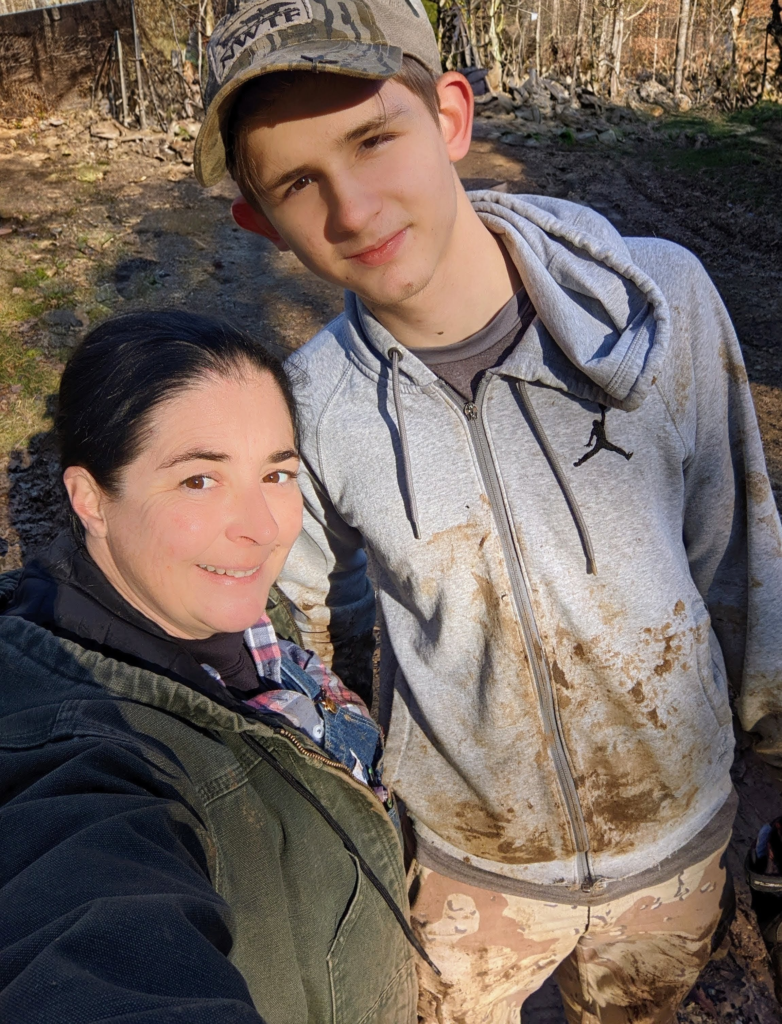
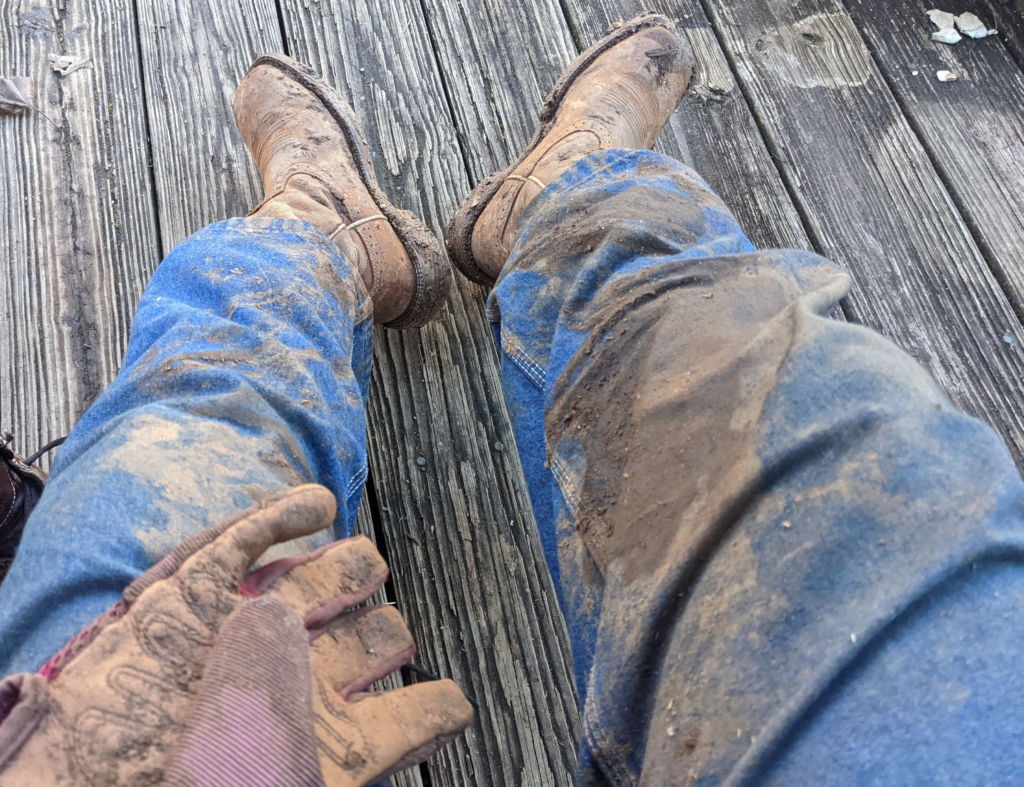
- Mud gets everywhere
- Animals get sick — and sometimes you bring them in the house
- Not all animals are great mothers
- Baby animals can wear diapers
- Yes, you can raise chickens, pigs, and goats in the house
- You will often ask, “Is that mud… or something else?”
- You will constantly ask, “What’s in your mouth?” (animals and kids)
But that’s real life on a working farm. And kids raised in it grow up knowing how to adapt, help, and keep going — even when plans fall apart.
Why We Keep Doing It This Way
We don’t raise kids around farm life.
We raise kids in it.
Daily farm chores are how our animals stay healthy — and how our kids grow up capable, confident, and connected to the world around them.
Messy. Loud. Sometimes chaotic.
But always real.
So are you ready for your own farm-feral life with your kids. This book is a great resource for getting started:
Farm-Raised Kids: Parenting Strategies for Balancing Family Life with Running a Small Farm